
Vitamin D Supplements for Men: Transform Your Health
Discover why Vitamin D is essential for men's wellness, from bone strength to immune function. Learn the science behind supplementation and how to optimize your levels.
The information on this site is for educational purposes only and does not constitute medical advice. Always consult a qualified healthcare professional before making health decisions.
Why Men Need Vitamin D: The Science Behind It
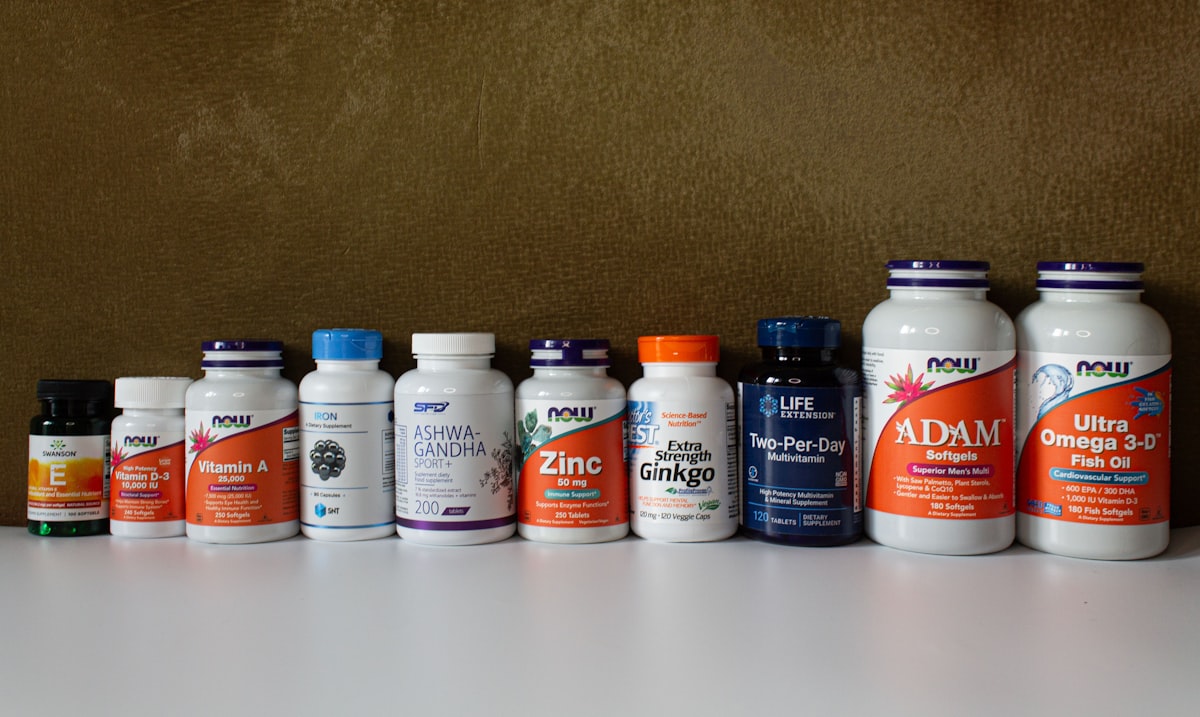
Vitamin D is a critical nutrient that plays multiple roles in men's health. Often called the "sunshine vitamin," it's synthesized by your body when exposed to sunlight, but many men don't get enough exposure due to modern indoor lifestyles, geographic location, or seasonal variations. This deficiency can impact bone density, muscle function, mood regulation, and overall vitality.
Research consistently shows that adequate Vitamin D levels support calcium absorption, which is foundational for maintaining strong bones and teeth. For men, this becomes increasingly important after age 40, when bone density naturally begins to decline. Beyond bone health, Vitamin D influences over 200 genes in the body, affecting everything from cardiovascular function to immune response.
At Proteinpowerforguys, we believe that understanding the science behind supplementation helps you make informed decisions about your health. Our articles explore the latest research on Vitamin D's role in men's wellness, helping you stay informed about optimal intake and testing recommendations.
Core Health Benefits for Men
Strong Bone Density
Vitamin D enhances calcium absorption in the intestines, which is essential for maintaining bone strength and reducing fracture risk. Men who maintain adequate Vitamin D levels preserve bone mineral density better as they age, supporting long-term skeletal integrity and mobility.
Cardiovascular Support
Emerging research indicates that Vitamin D plays a role in maintaining healthy blood pressure and supporting vascular function. Men with optimal Vitamin D levels show better cardiovascular markers, making supplementation a valuable component of heart health strategies.
Immune Function
Vitamin D receptors are found throughout immune cells, making this nutrient crucial for a balanced immune response. Studies show that men with adequate Vitamin D levels maintain stronger immune defenses and experience fewer seasonal health challenges.
Mood and Cognitive Health
Vitamin D influences serotonin and dopamine production, neurochemicals that regulate mood and cognition. Men who maintain healthy Vitamin D levels report better mental clarity, more stable mood, and improved overall psychological well-being throughout the year.
Muscle Strength and Function
Vitamin D receptors in muscle tissue help regulate muscle protein synthesis and force generation. Men supplementing with Vitamin D often experience improved muscle strength, faster recovery after exercise, and reduced muscle weakness, particularly important for active lifestyles.
Energy and Vitality
Many men report improved energy levels and reduced fatigue after optimizing their Vitamin D status. This nutrient supports cellular energy production and helps regulate sleep-wake cycles, contributing to better daytime vitality and overall sense of wellness.
Understanding Vitamin D Levels: A Practical Guide
The Importance of Testing and Optimization
Your Vitamin D status is measured in blood serum levels (nanograms per milliliter, or ng/mL). Most health experts recommend optimal levels between 30-100 ng/mL, though individual needs may vary. Testing is the only way to know your current status and determine if supplementation is appropriate for your situation.
Many men are unaware they have insufficient Vitamin D levels because deficiency doesn't produce obvious acute symptoms. Instead, it manifests gradually through reduced bone density, declining muscle function, or subtle shifts in mood and energy. Seasonal variations also affect your levels—winter months in northern climates typically see significant drops.
Our educational articles guide you through understanding your test results, recognizing lifestyle factors that affect your levels, and making informed decisions about supplementation. We explore different forms of Vitamin D supplements, optimal timing for intake, and how to integrate supplementation into your overall wellness routine.

Vitamin D Supplementation: What You Should Know
Types of Vitamin D Supplements
Vitamin D supplements come in two main forms: D2 (ergocalciferol) and D3 (cholecalciferol). D3 is generally more effective at raising and maintaining blood levels, and is the form synthesized by your body from sunlight. Most experts recommend D3 supplementation, available in various delivery formats including capsules, liquids, and soft gels. Each form has different absorption characteristics, so understanding what works best for your body is essential.
Dosage Considerations
Appropriate Vitamin D dosage depends on your current blood levels, age, geographic location, sun exposure, and individual health status. General recommendations for adult men range from 600-2000 IU daily for basic needs, though those with deficiency may require higher therapeutic doses. Individual factors like darker skin tone, limited outdoor time, or northern climates may increase requirements. It's important to understand how your personal circumstances influence your optimal intake.
Timing and Absorption
Vitamin D is fat-soluble, meaning it's best absorbed when taken with meals containing dietary fat. Taking your supplement with breakfast or lunch, alongside foods like eggs, fish, nuts, or oils, optimizes bioavailability. Consistency matters more than timing—a daily routine with the same meal helps maintain stable blood levels year-round. Our content explores absorption optimization and how to integrate supplementation into your existing health practices.
Seasonal Adjustments and Monitoring
Many men find their Vitamin D needs change seasonally. Winter months, especially in northern latitudes, significantly reduce natural synthesis from sunlight. Some men adjust their supplementation or increase sun exposure during summer months. Regular testing helps you understand how your levels fluctuate and whether your current approach is effective. We explore how to monitor your status and adjust supplementation strategically throughout the year.
Common Questions About Vitamin D Supplementation
The only definitive way to determine your Vitamin D status is through a blood test measuring 25-hydroxyvitamin D levels. However, certain signs may suggest you should consider testing: persistent fatigue despite adequate sleep, muscle weakness, joint aches, or experiencing seasonal mood changes. Risk factors that increase deficiency likelihood include limited sun exposure, living in northern climates, darker skin tone (which reduces sun synthesis), age over 50, or a history of bone loss. Many men don't have obvious symptoms, making periodic testing valuable for optimizing health proactively.
While Vitamin D is fat-soluble and can accumulate in body tissues, toxicity from supplementation is rare when used appropriately. Excessive intake from supplements (above 10,000 IU daily for extended periods) could theoretically cause issues, but this is uncommon with standard supplementation practices. Most men benefit from staying within recommended ranges—typically 1000-4000 IU daily—guided by their blood test results. This is why working with your healthcare provider to establish an appropriate dose based on your individual status is important. Our articles help you understand safe and effective supplementation practices tailored to your needs.
For many men, especially those in northern climates or with limited outdoor time, sunlight alone is insufficient for optimal Vitamin D levels. The amount synthesized depends on multiple factors: latitude, season, time of day, skin tone, age, and amount of exposed skin. Winter months at northern latitudes produce virtually no Vitamin D synthesis. Additionally, sun exposure time needed to achieve adequate levels must be balanced against risks from overexposure. For most men, a combination of moderate sun exposure when possible and strategic supplementation represents the most practical approach to maintaining optimal Vitamin D status year-round.
Individual response to Vitamin D supplementation varies considerably. Some men report improved energy and mood within weeks of optimizing their levels, while others notice more subtle shifts over months. Blood level changes typically become measurable within 6-8 weeks of consistent supplementation. Long-term benefits like improved bone density require sustained adequate levels over months to years. The timeline for noticing specific benefits depends on your starting level, dosage, absorption efficiency, and individual physiology. Consistent supplementation combined with periodic retesting helps you understand how your body responds and whether your approach is working effectively.
For most men, year-round supplementation is more practical and effective than seasonal dosing. While you may synthesize more Vitamin D naturally during summer months, this depends on lifestyle, location, and sun exposure practices. Many men with limited outdoor time benefit from consistent daily supplementation throughout the year. Some men adjust their dose seasonally—reducing intake during summer months when natural synthesis increases, then increasing again in fall. The best approach depends on your individual testing results, lifestyle patterns, and response to supplementation. Regular monitoring helps you determine whether continuous or adjusted dosing serves your needs better.
Vitamin D supplementation effectively addresses the specific nutrient deficiency, but it doesn't fully replace the broader benefits of sun exposure and outdoor time. Sunlight influences circadian rhythms, mood regulation, and provides opportunities for physical activity and connection with nature—benefits beyond Vitamin D synthesis. The ideal approach combines moderate sun exposure (when feasible and safe) with supplementation to ensure adequate Vitamin D levels while maintaining other health benefits of outdoor activity. Think of supplementation as complementary to a broader healthy lifestyle that includes time outdoors, physical activity, and balanced nutrition, rather than a replacement for outdoor engagement.
Real Results from Real Men
"I've been using Vitamin D supplements consistently for eight months now, and the difference in my energy levels is remarkable. I used to feel drained by mid-afternoon, especially during winter months. After getting my levels tested and starting supplementation, I noticed improvements in my mood, better sleep quality, and significantly more energy throughout the day. The educational content from Proteinpowerforguys helped me understand why supplementation was important for my health."
"As an active guy who works out regularly, I was surprised to learn my Vitamin D was below optimal levels. After reading about how Vitamin D supports muscle function and recovery, I started supplementing. My strength has improved noticeably, recovery time after intense workouts feels faster, and I'm experiencing better overall muscle performance. The detailed articles on how to optimize absorption and dosage made it easy to develop an effective routine."
"I was experiencing joint discomfort and general fatigue, and my doctor suggested I get my Vitamin D tested. Turns out, I was significantly deficient. Starting supplementation made a real difference—I feel stronger, my joints feel better, and my overall vitality has improved dramatically. What impressed me most was the comprehensive information about how Vitamin D supports bone health and why it's so important as I get older. This website made me understand nutrition from a different perspective."
Stay Informed About Vitamin D and Men's Health
Subscribe to our newsletter for the latest research, evidence-based articles, and practical insights about optimizing your Vitamin D levels and overall wellness.
Explore More About Vitamin D and Men's Wellness
Complete Health Benefits Guide
Comprehensive exploration of how Vitamin D supports bone health, cardiovascular function, immune strength, and overall male wellness through detailed scientific evidence.
Vitamin D Science and Sources
Learn about natural sources of Vitamin D, sun exposure science, supplement types, and the biochemistry behind how your body processes and utilizes this critical nutrient.
Disclaimer
Important legal information and disclaimers about our products and services.
What Our Customers Say
Real results from real men using Proteinpowerforguys
"Proteinpowerforguys transformed my fitness routine. I've gained 15 lbs of lean muscle in 3 months and feel stronger than ever!"
James Mitchell
Fitness Enthusiast
"The quality of these products is unmatched. My recovery time has improved dramatically and my workouts are more intense."
Ryan Chen
Professional Athlete
"Best investment I've made for my health. The taste is amazing and the results speak for themselves. Highly recommend!"
Michael Kingston
Gym Owner
Ready to Transform Your Fitness?
Join thousands of men achieving their fitness goals with Proteinpowerforguys
Frequently Asked Questions
Find answers to common questions about our products and services